Digital Marketing for Small Businesses: A Practical 90-Day Plan
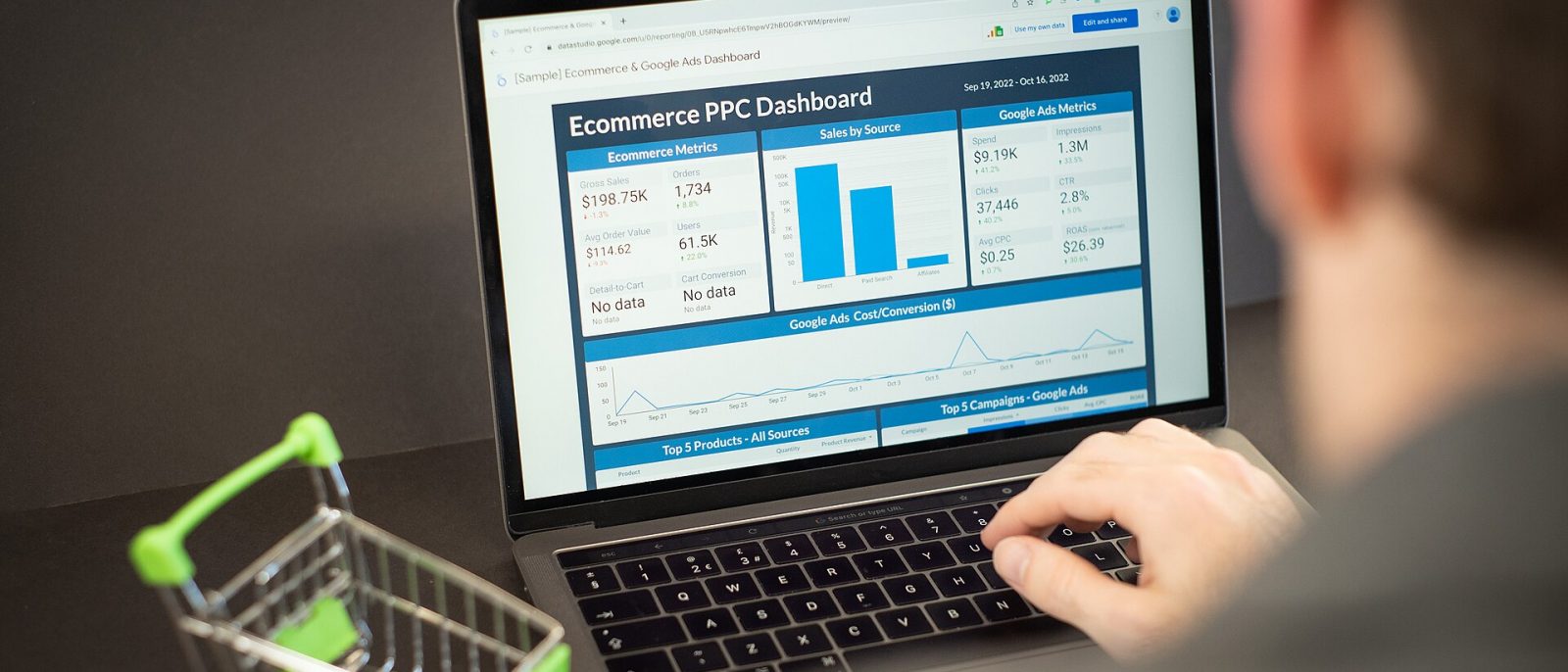
Photo: Marketer interpreting e-commerce website analytics on a laptop by Zuko.io Images, CC BY 2.0, via Wikimedia Commons
Key takeaways
- Small businesses win with focus: one clear audience, two or three channels, measurable goals.
- The first 30 days are for foundations — tracking, positioning, website fixes and local presence.
- Days 31–60 build demand with content, SEO and a small paid test.
- Days 61–90 scale what works and cut what does not.
Small businesses rarely fail at digital marketing because of a lack of tactics. They fail because they try everything at once, measure nothing and give up before anything compounds. This 90-day plan gives you a realistic, step-by-step structure to build a marketing engine you can keep running.
Before you start: set one goal
Pick a single primary goal for the quarter — for example, “generate 40 qualified enquiries” or “reach $15,000 in online sales”. Every activity in the plan should support it. Write down your current baseline so you can measure progress honestly.
Days 1–30: Foundations
Week 1: Know your customer
- Interview five recent customers: why did they choose you, what nearly stopped them, where did they look first?
- Write a one-paragraph description of your ideal customer and their main problem.
- List the top ten questions customers ask before buying.
Week 2: Set up measurement
- Install Google Analytics 4 and Google Tag Manager; define conversions (form submissions, calls, purchases).
- Verify your site in Google Search Console and Bing Webmaster Tools.
- Create a simple monthly dashboard with traffic, leads, sales and cost.
Week 3: Fix the website basics
- Clear headline that says what you do and for whom.
- Obvious calls to action on every key page.
- Fast mobile loading and working forms.
- Trust signals: reviews, client logos, guarantees, contact details, policies.
Week 4: Local and brand presence
- Claim and complete your Google Business Profile and Bing Places listing.
- Make sure your name, address and phone are consistent everywhere.
- Ask happy customers for reviews.
Days 31–60: Build demand
Choose two or three channels
| Channel | Best for | Time to results |
|---|---|---|
| SEO & content | Compounding traffic, lower long-term cost per lead | 3–6+ months |
| Google Ads | Capturing existing demand quickly | Days to weeks |
| Social media (organic) | Community, brand awareness, local businesses | Weeks to months |
| Paid social | Creating demand, visual products, retargeting | Days to weeks |
| Repeat sales, nurturing longer buying cycles | Weeks | |
| Partnerships & PR | Credibility, referral traffic, links | Weeks to months |
Content and SEO sprint
- Turn your top ten customer questions into helpful articles or FAQ sections.
- Optimise your main service pages for the keywords buyers use.
- Secure a handful of relevant links through partners, local associations and a guest post or two.
Small paid test
Run a tightly targeted search campaign on your highest-intent keywords with a modest budget. The goal is to learn conversion rates and cost per lead, not to spend big.
Start an email list
Offer something useful — a checklist, a discount, a free consultation — in exchange for an email address, and send one valuable email every two weeks.
Days 61–90: Optimise and scale
- Review the numbers: which channel produced leads or sales at the best cost?
- Double down: increase budget or effort on the winning channel.
- Fix leaks: improve landing pages with low conversion rates.
- Retarget: show ads or emails to people who visited but did not convert.
- Systemise: create a content calendar and a monthly reporting routine.
Budget guidance
There is no universal number, but a practical approach is to split your budget between a reliable demand-capture channel (often search ads) and a long-term channel (SEO and content). Protect a small percentage for experiments. Increase spend only where tracking shows a positive return.
Common mistakes to avoid
- Launching ads before tracking works.
- Sending all traffic to the home page.
- Copying competitors without a clear differentiator.
- Judging SEO after four weeks.
- Posting on every social network with no strategy.
After 90 days
You will have reliable data, a website that converts, a growing content library and at least one channel that brings customers predictably. That is the foundation for the next quarter’s growth plan.
Want a partner to run the plan with you? Explore our digital marketing services or the monthly SEO growth package.
Frequently asked questions
Which digital marketing channel is best for a small business?
It depends on how customers search for you. Businesses with existing search demand usually start with Google Ads and SEO; visual or impulse products often start with social media.
How much should a small business spend on digital marketing?
There is no fixed rule. Start with a budget you can sustain for at least three months, measure cost per lead or sale, and scale only what is profitable.
How long until SEO works for a small business?
Local and long-tail rankings can improve within a few months; competitive terms typically take 6–12 months of consistent work.
Fox's USA Editorial Team
Our strategists, outreach specialists and editors share what we learn running SEO, link building and content campaigns every day. Reviewed under our editorial guidelines.